Is Your Post-War Colorado Springs Home Hiding Plumbing Problems?
Many homes in Colorado Springs, 80910, have a unique charm, especially those built in the post-war era. They represent a piece of our city's history. But beneath the classic architecture, these older houses can hide outdated plumbing systems that are decades past their prime. These systems were built with materials and techniques that are no longer considered safe or reliable. Understanding these potential issues is the first step in protecting your home from unexpected and costly water damage.
Ignoring the signs of aging plumbing can lead to serious trouble. A slow drain might seem like a minor annoyance, but it could signal major corrosion inside your pipes. Discolored water isn't just unpleasant; it could mean your pipes are rusting from the inside out. That’s why being proactive is so important. Knowing what to look for helps you catch problems early, saving you from emergency repairs, property damage, and ensuring your family has safe, clean water.
The Trouble with Aging Pipes and Outdated Materials
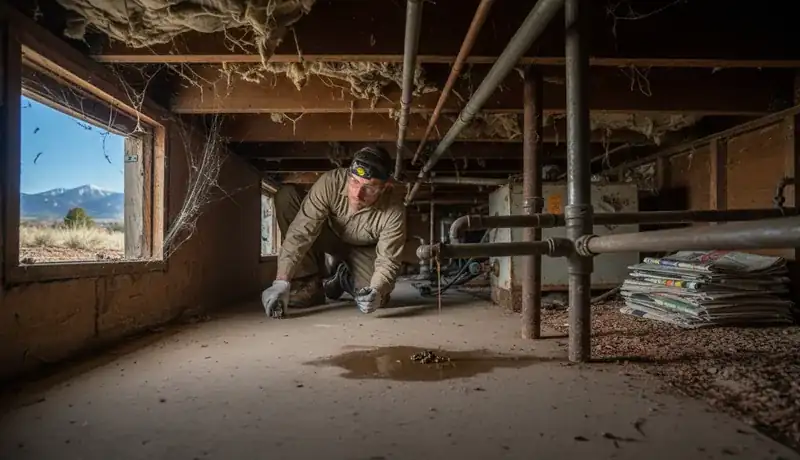
After World War II, builders commonly used galvanized steel and cast iron for plumbing. While durable for their time, these materials have a limited lifespan. Galvanized pipes, for instance, are steel pipes coated with zinc. Over 50 to 60 years, this zinc coating erodes, exposing the steel to rust. This corrosion not only restricts water flow, causing low pressure, but it can also contaminate your water with rust particles. In some cases, older pipes may even contain lead, which poses a significant health risk. Another common issue is with clay sewer lines, which are susceptible to cracks and root intrusion. As a result, what you can't see behind your walls could be a ticking time bomb, slowly deteriorating and waiting to cause a major leak or backup.
How to Spot the Warning Signs in Your Home
You don’t have to be a plumber to notice the tell-tale signs of a failing plumbing system. Pay close attention to your water. Is it brown or yellow when you first turn on the tap? That’s a classic sign of rusty pipes. Notice a significant drop in water pressure? This often happens when corrosion builds up inside pipes, narrowing the passage for water. Also, listen for strange gurgling sounds from your drains or toilets. Frequent clogs and slow drains throughout the house suggest a bigger problem in your main sewer line, not just a simple blockage. A musty smell you can’t locate could also indicate a slow, hidden leak behind a wall or under the floor. Spotting these clues early can make all the difference in preventing a plumbing disaster.
Why Some Plumbing Jobs Aren't Meant for DIY
While fixing a leaky faucet is a manageable DIY task, tackling the plumbing in an older home is a different story. These systems are often fragile and complex. Attempting to replace a section of an old, corroded pipe can easily cause it to crumble, turning a small repair into a major flood. You might also misdiagnose the problem. For example, what seems like a simple clog could be invasive tree roots crushing your main sewer line. Using harsh chemical drain cleaners on old pipes can accelerate corrosion and cause them to burst. That's why it's crucial to know when to call for professional plumbing services in Colorado Springs 80910. For complex issues, an expert assessment from a team like Expert Plumbing Pro is the safest choice to protect your home.
Your Local Guide to Modern Plumbing Solutions
At Expert Plumbing Pro, we understand the unique challenges of homes in Colorado Springs, 80910. Our team specializes in diagnosing and resolving issues specific to post-war plumbing systems. We don't just fix the immediate problem; we provide long-term solutions that bring your home's plumbing up to modern standards. Whether it's a thorough camera inspection to check the health of your sewer line or a complete repiping project with durable, safe materials like copper or PEX, we handle it with care. We believe in educating homeowners, so you can make informed decisions about your property. Our goal is to ensure your plumbing is safe, efficient, and reliable for years to come.
Frequently Asked Questions
How often should I have the plumbing in my older home inspected?
For homes over 50 years old, a professional plumbing inspection every one to two years is a smart investment. This allows a technician to catch early signs of corrosion, small leaks, or potential blockages before they become emergencies. An inspection can identify weak spots in your pipes, check water pressure, and assess the condition of your water heater, potentially saving you thousands in future repairs and giving you peace of mind.
What is repiping and does my whole house need it?
Repiping is the process of replacing all the old, deteriorating water supply lines in a house with new, modern pipes. If you have widespread issues like low water pressure, rusty water, and frequent leaks, a full repipe might be the best long-term solution. However, it's not always necessary to do the whole house at once. A professional can assess if only a specific section needs replacement, providing a more targeted and affordable approach to updating your system.
Protecting Your Home's Future
Owning a historic home in Colorado Springs is rewarding, but it comes with the responsibility of maintaining its core systems. Being aware of the hidden risks in your post-war plumbing is key to preserving your home's value and safety. By watching for warning signs and addressing them promptly, you can avoid catastrophic failures. If you have any concerns about your plumbing or suspect it’s time for an upgrade, don't hesitate to reach out. The team at Expert Plumbing Pro is here to provide the expert plumbing services in Colorado Springs 80910 that you need.